
Introduction
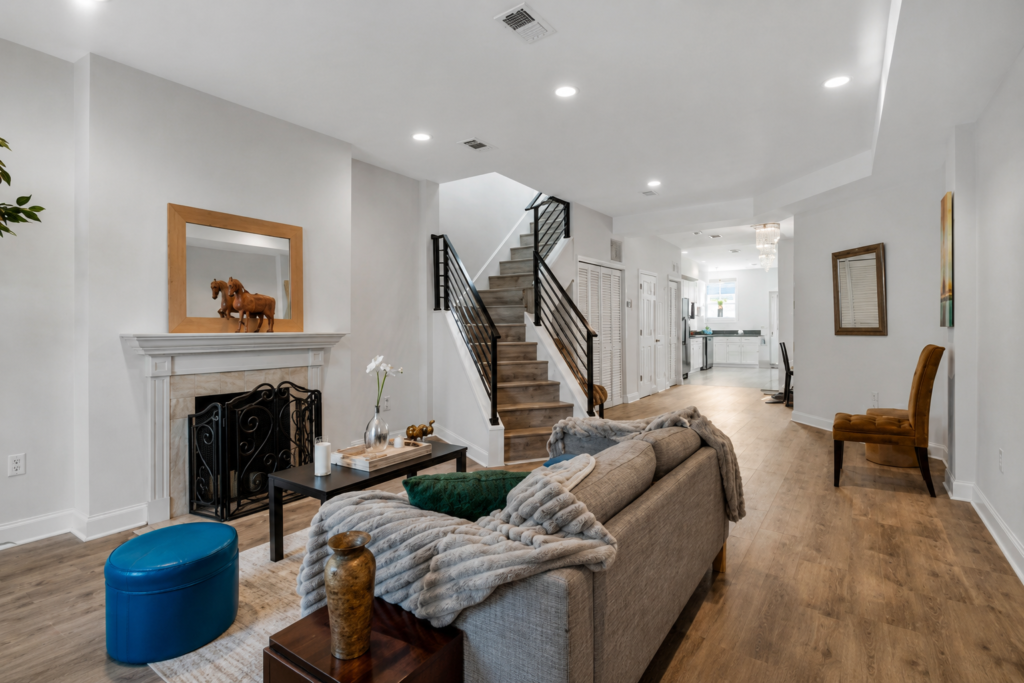
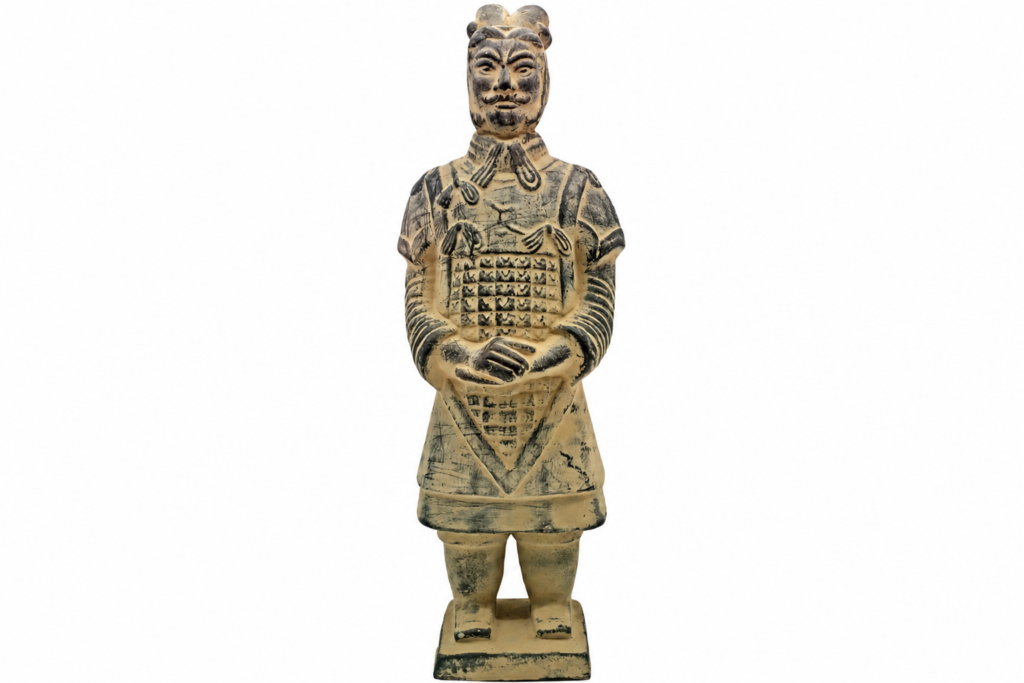
Throughout Chinese history, the horse has symbolized strength, prosperity, freedom, prestige, and forward momentum. From the powerful cavalry traditions of the Han Dynasty to the cultural sophistication of the Tang Dynasty, the horse became deeply embedded in Chinese identity and artistic expression. Ancient Chinese horse sculptures and replicas continue to carry this symbolism into the modern world, where they evoke movement, authority, and timeless design.
Today, contemporary home staging in the United States, particularly in competitive markets like Washington DC, increasingly blends historical elements with modern design to create interiors that feel both refined and memorable. One of the most striking ways this is accomplished is through the use of ancient Chinese horse replicas within staged environments.
Beyond visual appeal, these objects introduce narrative and meaning into a space. In both social media presentation and in-person showings, symbolic elements such as horse replicas stimulate curiosity, imagination, and emotional engagement. This creates a stronger connection between potential buyers and the home itself.
The Historical Meaning of the Horse in Chinese Culture from Ancient Han and Tang Dynasties Until the Present
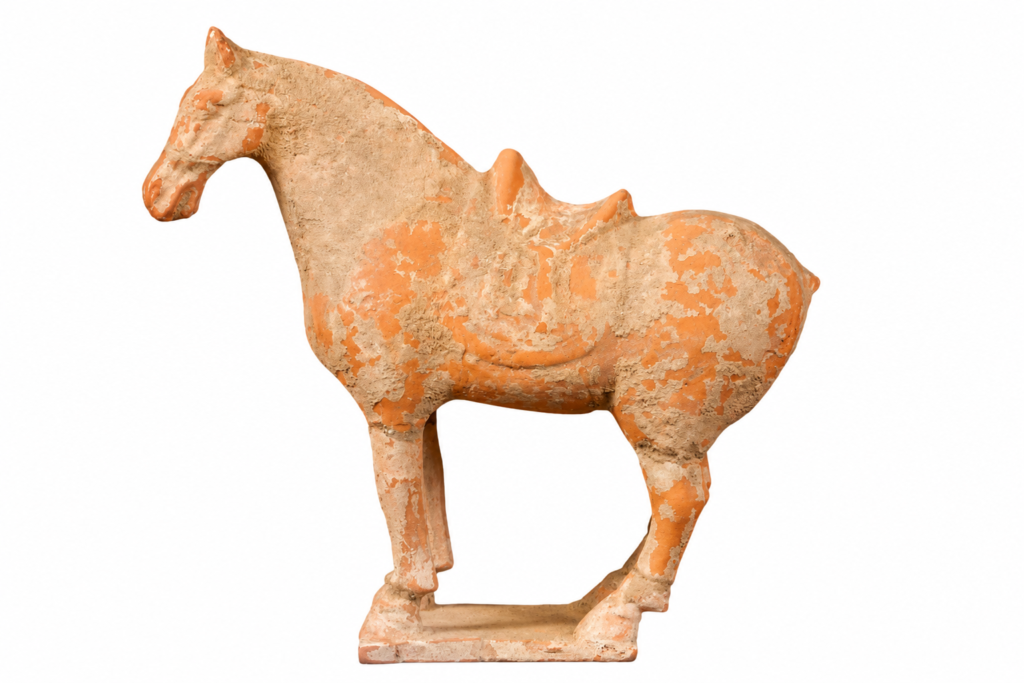
The horse played a central role in ancient Chinese civilization for both practical and symbolic reasons. During the Han Dynasty, horses represented military strength, imperial expansion, and national power. Trade along the Silk Road relied heavily on horses, reinforcing their association with endurance, progress, and connectivity.
By the Tang Dynasty, the horse evolved into a symbol of refinement and cultural sophistication. This period marked one of the most prosperous and globally connected eras in Chinese history. Artistic depictions of horses from this time emphasized strength, motion, and elegance. Sculptures often featured detailed forms and expressive posture, reflecting both wealth and status.
Over time, the symbolism of the horse expanded further. In Chinese culture, horses are associated with success, ambition, loyalty, and forward movement. In feng shui practices, horse imagery is often linked to career advancement and recognition. This layered meaning gives the horse a unique presence in modern design. Even without understanding its full history, viewers tend to recognize its significance intuitively.
This depth of meaning is what separates an ancient Chinese horse replica from standard decorative objects. It carries cultural weight and visual authority, making it particularly effective in staged environments.
Mixing a Horse Replica with Contemporary Home Staging and Design to Capture the Interest of Home Buyers in America
Modern home staging has evolved beyond simply furnishing a space. It now focuses on creating an emotional and visual experience that resonates with buyers.
Contemporary interiors in the United States often emphasize clean lines, neutral color palettes, and open layouts. Within these environments, a horse replica introduces contrast and dimension. It breaks uniformity while maintaining a sense of sophistication.
When placed strategically, the horse becomes a focal point. In an entryway, it can establish tone immediately. In a living space, it can anchor a composition and guide the eye. These placements are not random. They are designed to control how a buyer experiences the room.
This approach aligns closely with how staging influences perception and behavior:
https://harvardhomeservices.com/home-staging-dopamine-buyer-psychology-washington-dc/
The combination of modern simplicity with historical symbolism creates a layered experience. Buyers are not just seeing a home. They are interpreting a space that feels curated and intentional.
Using Ancient Asian Iconography to Capture the Psychological Creativity of People Who View These Home Designs on Social Media and Later in Person
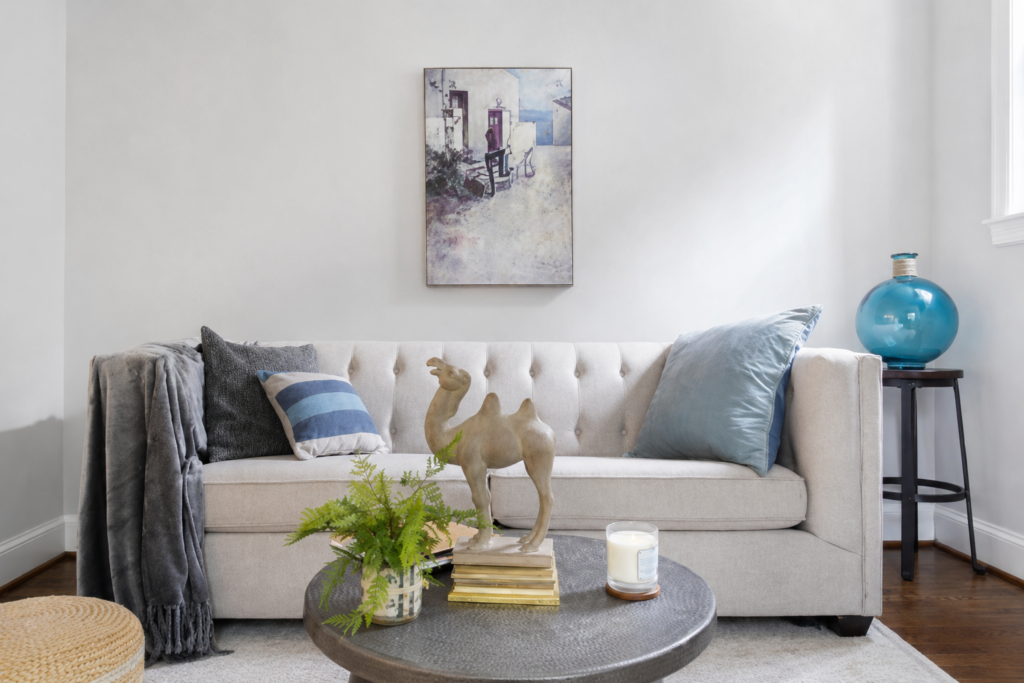
Human perception is influenced by more than layout and lighting. Symbolism plays a significant role in how spaces are interpreted and remembered.
Ancient iconography introduces narrative into an environment. It encourages viewers to pause, observe, and mentally engage with what they are seeing. In digital environments, where attention spans are limited, this becomes even more important.
A horse replica can immediately create visual interest within a listing. It suggests movement, travel, culture, and status. These associations are not always conscious, but they influence how the space is perceived.
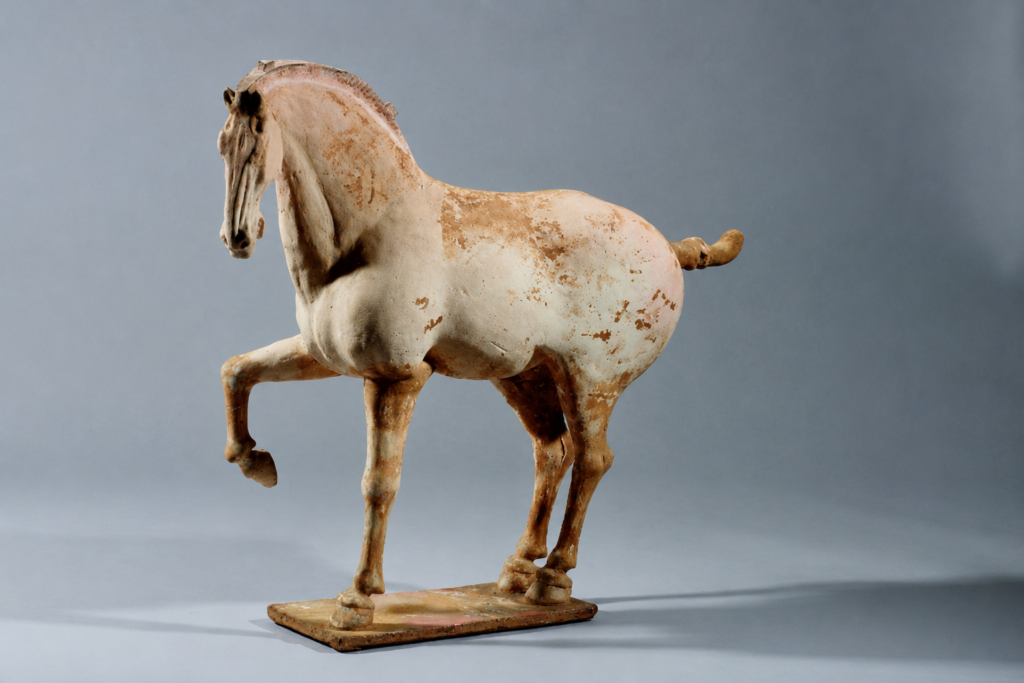
This is especially relevant in online browsing behavior. Buyers scrolling through listings are more likely to stop on images that feel distinct. Visual elements that create curiosity increase engagement and improve memorability.
This ties directly into how buyers process and experience staged environments:
https://harvardhomeservices.com/2d-vs-3d-home-buying-experience-staging/
https://harvardhomeservices.com/tactile-home-staging-washington-dc/
The impact extends beyond digital presentation. When buyers visit the property in person, the presence of the object reinforces the initial impression. This continuity between online and physical experience strengthens emotional connection and increases perceived value.
Ancient iconography also contributes to a sense of timelessness. Unlike trend-based design elements, historically rooted objects feel stable and enduring. This perception can influence how buyers evaluate the long-term value of a property.
Conclusion
The use of an ancient Chinese horse replica in home staging represents more than a stylistic decision. It is a strategic approach that combines historical symbolism, visual impact, and psychological influence.
From its origins in the Han and Tang Dynasties to its role in modern design, the horse remains a symbol of movement, ambition, and prestige. When integrated into contemporary staging, it transforms a space from functional to memorable.
This approach works because it engages both the visual and emotional aspects of buyer decision-making. It introduces narrative, reinforces identity, and creates a stronger connection between the buyer and the property.
In markets like Washington DC, where competition is high and presentation matters, these details can make a measurable difference. Staging is no longer just about furnishing a home. It is about creating an experience that stands out and resonates.
Work With Harvard Home Services
If you are preparing a home for sale in Washington DC or the DMV, the way it is presented directly impacts how it performs.
Get started:
https://harvardhomeservices.com/contact/
Explore services:
https://harvardhomeservices.com/services/
Learn more:
https://harvardhomeservices.com/about/
Recent Work & Client Activity
Follow recent staging projects and updates:
https://www.instagram.com/harvardhomeservices/
View verified client activity and reviews:
https://www.thumbtack.com/dc/washington/home-staging/harvard-home-services/service/561999514203078661