
Introduction: Buyers Start Judging a Home Before They Walk Through the Door
Picture two homes with similar locations, similar square footage, and similar asking prices. Anyone who has spent time in home staging in Washington DC already knows those 2 homes will not get the same reaction from buyers.
The first one is empty. Bare walls, vacant rooms, and a buyer left to figure out on their own what each space is for and what it could become.
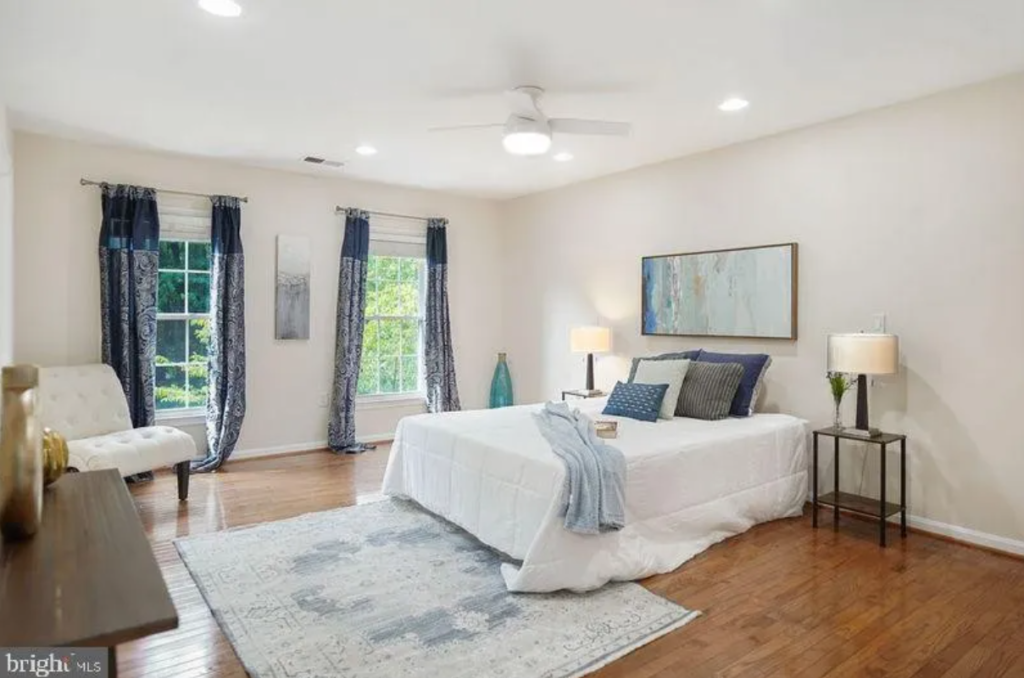
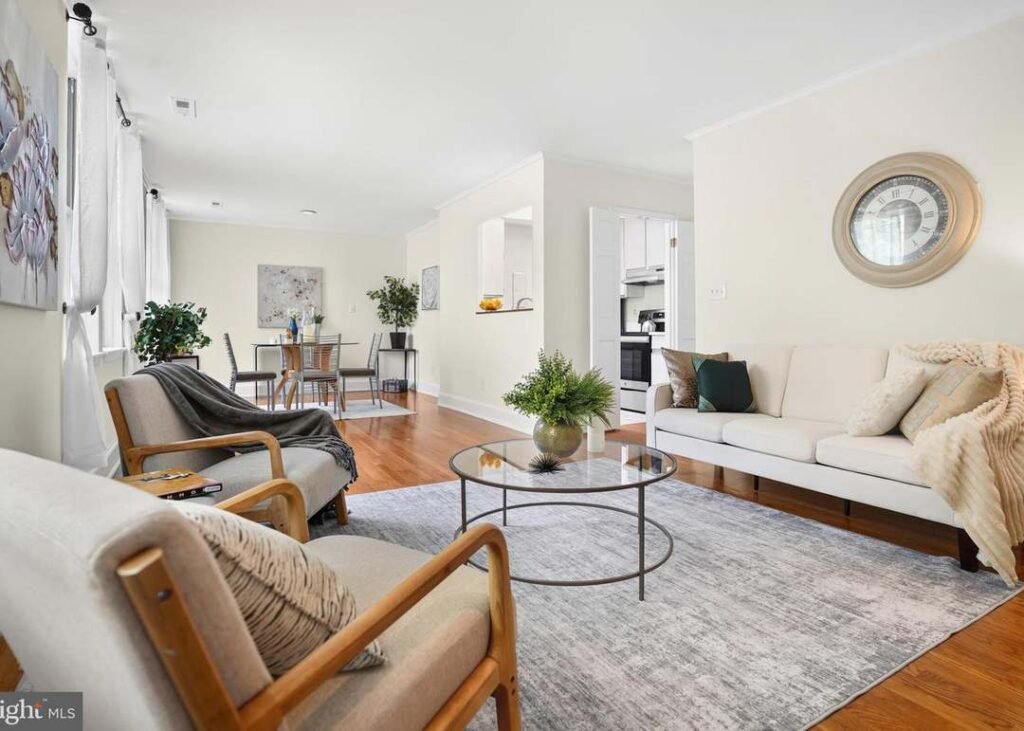
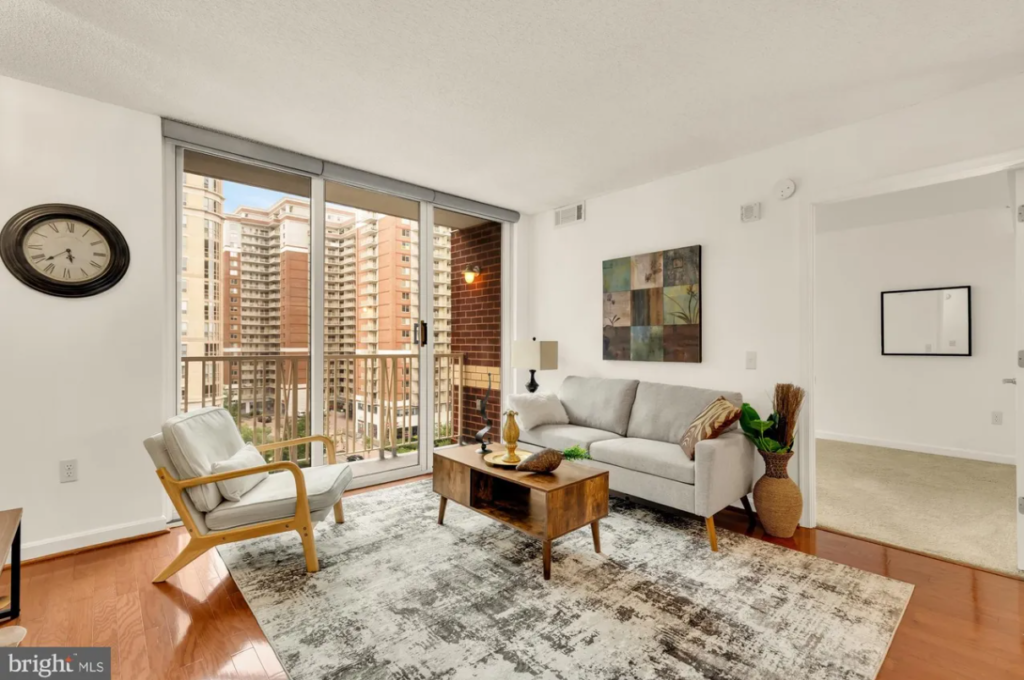
The second one is professionally staged. The living room feels inviting. The dining area makes sense. The bedrooms read as comfortable and properly scaled. Natural light, texture, furniture placement, and professional photography all tell the same story.
Same bones. Completely different experience.
That gap exists because buying a home is not a purely rational exercise in bedrooms, bathrooms, and square footage. It is a human experience shaped by perception, emotion, familiarity, expectation, and comparison. At Harvard Home Services, we call our approach Neuro-Staging™, the psychology of home staging applied to real estate, and it is how we approach Neuro-Staging in Washington DC and across the DMV.
Neuro-Staging combines established principles of human perception and environmental psychology with physical staging and professional photography. The goal is simple. Help buyers understand a property, see what it can be, and picture themselves living in it. 4 psychological concepts explain why that matters.
1. Thin Slicing: The First Impression Happens in Seconds
Psychologists have spent decades studying how people form impressions from brief observations. Researcher Nalini Ambady and others explored how judgments can form from very limited exposure, and Malcolm Gladwell later popularized the idea of thin slicing in his book Blink. Thin slicing is our tendency to draw big conclusions from small amounts of information. Sometimes those snap judgments are right. Sometimes they are wrong. Either way, they happen.
Real estate is about as clear an application as you will find. The first listing photographs start shaping a buyer’s expectations long before a showing. Once the buyer walks in, the foyer, the sightlines, the lighting, and the room proportions deliver an immediate verdict. Does the home feel welcoming? Does it look cared for? Can the buyer tell how the rooms work together?

Staging cannot guarantee a positive reaction. What it can do is make sure the first impression shows off the property’s strengths instead of leaving buyers distracted by empty rooms or guessing at the space. We covered the entry in detail in The Foyer Sells the Home Before You Do, and it is the same reason the triggers in The Psychology of Staging: The Top 3 Psychological Triggers Buyers Experience in a Professionally Staged Home start working at the front door.
The Neuro-Staging principle: design the first impression on purpose. We pay close attention to the entry, the first major sightline, the lighting, the furniture scale, and the visual story the listing photos tell. Those elements should work together so the buyer understands the home from the very first second.
2. Sensation Transference: The Experience Shapes the Perceived Value
Marketing researcher and design consultant Louis Cheskin is associated with a concept called sensation transference: people transfer their impressions of a product’s presentation onto their judgment of the product itself. Same product, better packaging, better perceived product.
The same thing happens when a buyer walks through a listing. Walking into a dark, empty living room is one experience. Walking into a room with balanced lighting, properly scaled furniture, inviting textures, and a clear purpose is another. The second room feels more comfortable, more considered, and more complete, and those impressions spill over onto how the buyer sees the entire property.

To be clear, staging does not change a home’s square footage, construction quality, or market value on its own. A beautiful room does not guarantee a higher offer. Buyers still weigh location, condition, comps, price, and their own needs. But they experience the property before they judge it, and that is where presentation earns its keep. It is the same idea behind The Alchemy of Home Staging in Washington DC.
The Neuro-Staging principle: the quality of the experience shapes the perception of the property. That is why we look beyond furniture. Lighting, natural materials, texture, proportion, visual balance, and how one room flows into the next all matter. We are not trying to hide a property’s shortcomings. We are trying to show its real strengths clearly.
3. Anchoring: The Asking Price and the Visual Impression
In behavioral economics, anchoring is the tendency to lean heavily on the first piece of information you get when making a judgment. In a real estate transaction, the asking price is one anchor. The listing photos and the buyer’s first walk-through supply the information that either supports that anchor or chips away at it.
Picture a property listed at a premium price. If the photos show poorly defined rooms and the home feels cold or hard to navigate, the buyer starts asking whether the price is justified. Now picture the same property with thoughtful staging, clear room functions, balanced lighting, and photography that accurately shows its best features. The price has not moved. The house has not magically gained square footage. The buyer simply has a clearer picture of what that price buys.
This matters most with vacant homes. Some buyers can visualize furniture, flow, and scale in an empty room. Many cannot, and an empty room asks them to do a lot of mental work. Staging removes that guesswork by showing a realistic, understandable layout. For a closer look at how we handle the corners and voids that vacant listings leave behind, read The Olive Tree vs. the Mirror: How Professional Stagers Decide What Belongs in an Empty Corner.
The Neuro-Staging principle: give buyers a clear picture of what the asking price represents. For Realtors, that means thinking about presentation before the listing goes live, not after buyers have already formed their first impression.
4. The Comparison Effect: Your Listing Is Competing With Every Other Home
Buyers almost never evaluate a property in isolation. They compare it to homes they toured last weekend, listings they scrolled past on their phone, and everything else in their budget.
Say a buyer sees 3 homes in one afternoon. The first has awkward, poorly presented rooms. The second is empty, leaving the buyer to guess at room sizes and possible uses. The third is professionally staged, with a welcoming living room, a defined dining area, and bedrooms that clearly communicate what they are for. The third home is easier to understand and easier to remember.
That does not mean every buyer will pick it, or that staging automatically beats the competition. But when several homes check a buyer’s basic boxes, the one that is easiest to understand and remember has the edge. And the comparison starts online, where buyers flip through photos fast and decide which listings earn a showing. We broke down what goes on in a buyer’s head during that process in What Happens in a Buyer’s Mind When They Walk Through Your Listing, and you can see what it looks like in practice in 5 Staged Properties. 5 Under Contract. One Month.
The Neuro-Staging principle: make the property easier to understand, remember, and appreciate in a competitive market. The furniture, the sightlines, the lighting, and the photographs should all tell the same story, in person and online.
How Neuro-Staging Shapes Home Staging in Washington DC
These 4 concepts are not isolated tricks. Together they describe a more thoughtful way to prepare a home for sale. The first impression captures attention with a welcoming entry, balanced lighting, and a strong lead photograph. The sensory experience comes from texture, proportion, natural materials, and visual harmony. Clarity comes from helping buyers understand the layout, function, and genuine strengths of the home. Competitive distinction comes from presenting the property so its best features are obvious online and in person.
Real estate staging and photography are partners in this. Staging helps buyers read the real space. Photography carries that experience to them before they ever arrive. Neither should misrepresent the property. The goal is to reveal its potential honestly and persuasively. For Realtors, that is an opportunity to think beyond decorating, because preparing a listing is really about preparing the buyer’s experience. You can see how that plays out across DC, Maryland, and Northern Virginia on our Recent Staging Projects page.
Conclusion: Stage for the Way People See, Feel, and Decide
A home does not sell because it has nice furniture, and no staging company can honestly promise that a specific arrangement will produce a specific price or number of offers. The opportunity is in understanding how people experience a space and using that to present the property better.
That is the thinking behind Neuro-Staging at Harvard Home Services. Physical staging, an understanding of human perception, deliberate use of light and texture, and professional photography, all working together to help Realtors present listings with more clarity and more impact. In Washington DC and across the DMV, preparing a home for sale should involve more than filling empty rooms. It should involve understanding the people who are going to walk through them.
Zero percent financing for 60 days. $650 to get started. Balance due at settlement.
Ready to Stage Your Next Listing?
Harvard Home Services partners with Realtors throughout Washington DC, Maryland, and Northern Virginia to prepare listings for market at the highest level. Services include:
- Professional home staging
- Luxury staging
- Real estate photography coordination
- Property preparation and cleaning
- Pre-listing consulting
Zero percent financing available for your sellers. $650 to get started, with the balance due at settlement from the proceeds of the sale.
William Milewski
202-361-5858
william.harvardhomeservices@yahoo.com
David Van Leeuwen
630-441-8000
david.harvardhomeservices@yahoo.com
Follow us on Instagram: instagram.com/harvardhomeservices
Find us on Thumbtack: Harvard Home Services on Thumbtack